

Blog
Uncategorized
How Carpet Cleaning Improves Indoor Air Quality
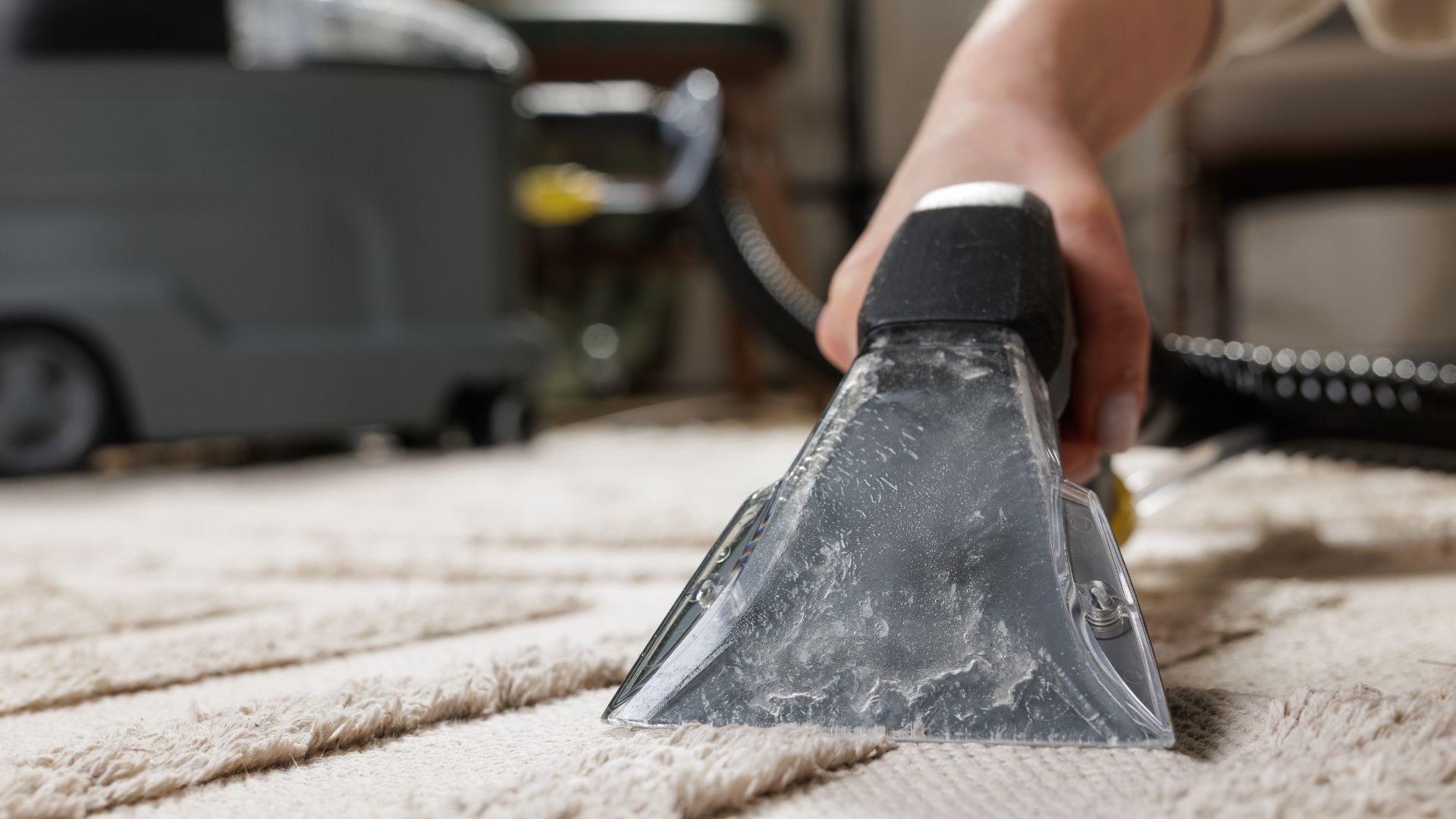
If your home or workplace feels stuffy, triggers allergies, or never quite smells fresh, the problem may not be the air itself—it may be what’s trapped in your carpets. Carpet acts like a filter. It captures dust, allergens, and microscopic particles from daily life. While that can help keep some pollutants out of the air temporarily, over time those contaminants build up. Without proper cleaning, carpets stop helping and start affecting the air you breathe. Understanding how this happens makes it clear why professional carpet cleaning is essential for maintaining a healthy indoor environment. Carpets Trap More Than You Realize According to the U.S. Environmental Protection Agency (EPA), indoor environments can contain a range of pollutants, including dust, pollen, pet dander, and other fine particles. Carpets are one of the primary places where these contaminants settle and accumulate. Common pollutants found in carpets include: Dust and fine particulate matter Pet dander and hair Pollen tracked in from outdoors Bacteria and organic debris Residues from everyday activities Every step across the carpet can release some of these particles back into the air, especially when the carpet is heavily soiled. Why Indoor Air Quality Gets Worse Over Time At first, carpets can help trap particles and prevent them from circulating. However, as buildup increases, the carpet becomes saturated. Once that happens: Normal foot traffic releases particles into the air Air movement from HVAC systems redistributes contaminants Allergens become more concentrated indoors Odors begin to develop and linger This is one of the reasons the EPA notes that indoor air can be more polluted than outdoor air, especially in enclosed spaces with limited ventilation. The Link Between Carpets and Allergies For people with allergies, asthma, or respiratory sensitivity, dirty carpets can be a constant trigger. Accumulated particles in carpet fibers can cause: Sneezing and nasal congestion Itchy eyes and throat irritation Increased asthma symptoms General discomfort in the space Even if the carpet looks clean, microscopic allergens can still be present in high concentrations. Why Vacuuming Alone Is Not Enough Regular vacuuming is important, but it has limitations. Standard household vacuums are designed to remove surface debris, not deeply embedded contaminants. Over time: Fine particles settle below the surface of the carpet Moisture can trap contaminants deeper in the fibers Residue from cleaning products can build up Without deep extraction, these pollutants remain in place and continue to affect indoor air quality. How Professional Carpet Cleaning Makes a Difference Professional carpet cleaning goes beyond appearance. It targets the contaminants that impact air quality at a deeper level. A proper professional service: Removes embedded dust and allergens Extracts contaminants from deep within the fibers Eliminates odor-causing buildup Reduces airborne particles released during daily activity Restores the carpet’s ability to stay cleaner longer High-powered equipment and proper techniques are designed to remove what standard cleaning methods leave behind. Benefits for Homes and Businesses Improving indoor air quality is not just about comfort—it directly affects how people live and work in a space. For homeowners: A cleaner, fresher environment Reduced allergy triggers A healthier space for children and family members For businesses: A more professional, welcoming atmosphere Improved comfort for employees and visitors Better overall perception of cleanliness Clean carpets contribute to both health and presentation. Why Waiting Makes the Problem Worse The longer contaminants remain in your carpets, the more they accumulate and the harder they are to remove. Air quality continues to decline gradually, often without immediate signs until discomfort becomes noticeable. Delaying professional cleaning can lead to: Heavier buildup of allergens and dust Stronger, more persistent odors Increased wear and damage to carpet fibers Greater difficulty restoring the carpet later Addressing the issue early is more effective and more cost-efficient. Take Control of the Air You Breathe Indoor air quality plays a major role in daily comfort and long-term health. Carpets are one of the biggest factors influencing that environment, whether positively or negatively. At FRD Services LLC, we provide professional carpet cleaning designed to remove deep contaminants and improve the air quality in your home or business. With the right equipment and experience, we help restore not just how your carpets look, but how your space feels. If your space feels heavy, triggers allergies, or hasn’t had a deep cleaning in a while, now is the time to act. Schedule your professional carpet cleaning today and create a cleaner, healthier environment from the ground up.
Read MoreMarch 29, 2026
Uncategorized
Why Construction Dust Is Dangerous Long After the Job Is Done
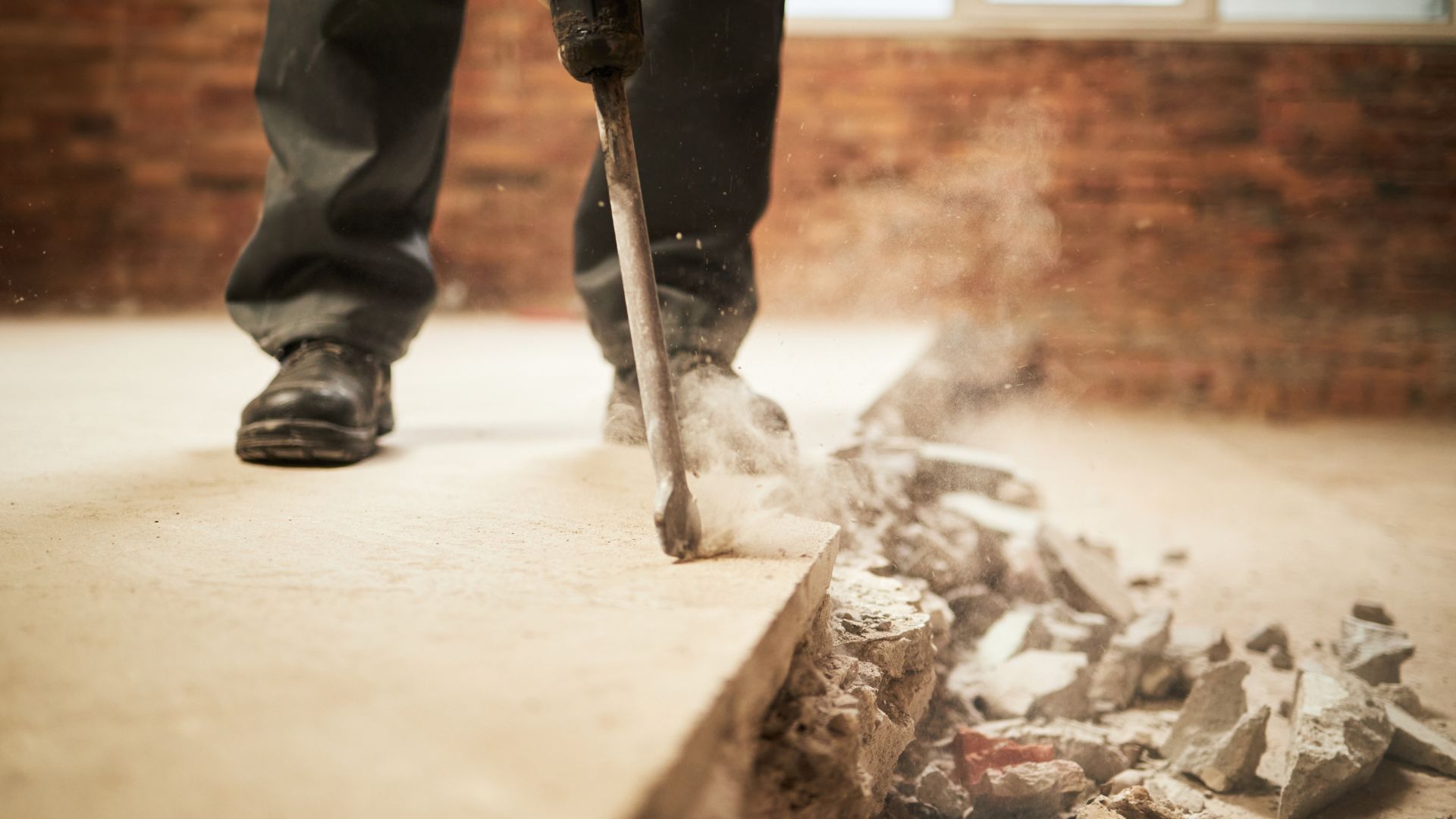
After a renovation or construction project, most people focus on what they can see: new floors, fresh paint, finished details. Once the contractors leave, it may look clean enough. But what many property owners don’t realize is that the most dangerous part of construction debris is often invisible. Construction dust doesn’t disappear when the job is done. In fact, without professional post-construction cleaning, it can remain in your space for weeks or even months, putting health, safety, and even your new finishes at risk. The Hidden Threat: Fine Dust You Can’t See Construction dust is not the same as everyday household dust. It contains fine particles that are small enough to stay airborne for long periods and settle deep into carpets, HVAC systems, furniture, and hard-to-reach surfaces. Two of the most common and concerning types include: Silica Dust Crystalline silica is released when materials like concrete, mortar, tile, stone, or drywall are cut, drilled, or sanded. According to OSHA and the CDC, inhaling fine silica particles can damage the lungs and is linked to serious respiratory conditions over time. What makes silica especially dangerous is that the particles are microscopic. You may not see them, but they can be inhaled deeply into the lungs with normal breathing. Drywall Dust Drywall dust is created during sanding and finishing. It is extremely fine and easily spreads throughout a building. This dust can irritate the eyes, throat, and lungs and is known to aggravate asthma and allergies, especially in children, elderly occupants, and people with respiratory conditions. Why Regular Cleaning Is Not Enough Vacuuming or wiping surfaces with standard household equipment does not remove construction dust effectively. In many cases, it can make the problem worse by redistributing particles into the air. Common issues with DIY or basic cleaning include: Standard vacuums are not designed to capture ultra-fine particles Dust settles back onto surfaces shortly after cleaning HVAC systems continue circulating trapped dust throughout the space Residue remains embedded in carpets, grout, and textured surfaces Without proper tools, techniques, and filtration systems, dangerous dust simply gets moved around instead of removed. Health and Safety Risks for Occupied Spaces Leaving construction dust behind can have real consequences, especially in homes, offices, medical facilities, and commercial buildings that are quickly reoccupied. Potential risks include: Persistent coughing, sneezing, and throat irritation Worsening asthma or allergy symptoms Reduced indoor air quality Long-term respiratory exposure for occupants and employees Slip hazards from fine dust on hard floors In commercial settings, poor post-construction cleaning can also impact employee productivity, tenant satisfaction, and even liability. How Professional Post-Construction Cleaning Solves the Problem Professional post-construction cleaning is designed specifically to address these risks. It goes far beyond surface-level cleaning and focuses on removing fine dust safely and thoroughly. A professional service typically includes: HEPA-filtered vacuum systems that trap microscopic particles Detailed cleaning of floors, carpets, baseboards, vents, and fixtures Removal of dust from walls, ceilings, light fixtures, and high surfaces Careful handling of newly installed materials to avoid damage Final detailing to ensure the space is truly move-in ready This process protects both the health of occupants and the investment made in the construction or renovation itself. Why Timing Matters The longer construction dust sits, the deeper it embeds into surfaces and the more it spreads through air systems. Delaying professional cleaning can lead to higher costs later, more difficult removal, and prolonged exposure to harmful particles. Scheduling post-construction cleaning immediately after the job is completed is the most effective way to: Protect indoor air quality Prevent dust from spreading Ensure a safe, healthy environment from day one Construction may be finished, but the job is not truly complete until the dust is properly removed. Invisible particles like silica and drywall dust pose real health and safety risks that should not be ignored. Professional post-construction cleaning is not an optional extra. It is a critical step in protecting people, preserving your space, and ensuring the project ends the right way. If your property has recently undergone construction or renovation, now is the time to act. A professional post-construction cleaning service can make the difference between a space that looks clean and one that is truly safe to use.
Read MoreFebruary 2, 2026
Cleaning Tips and Services
How Salt and Ice Melt Chemicals Destroy Your Floors and Carpets
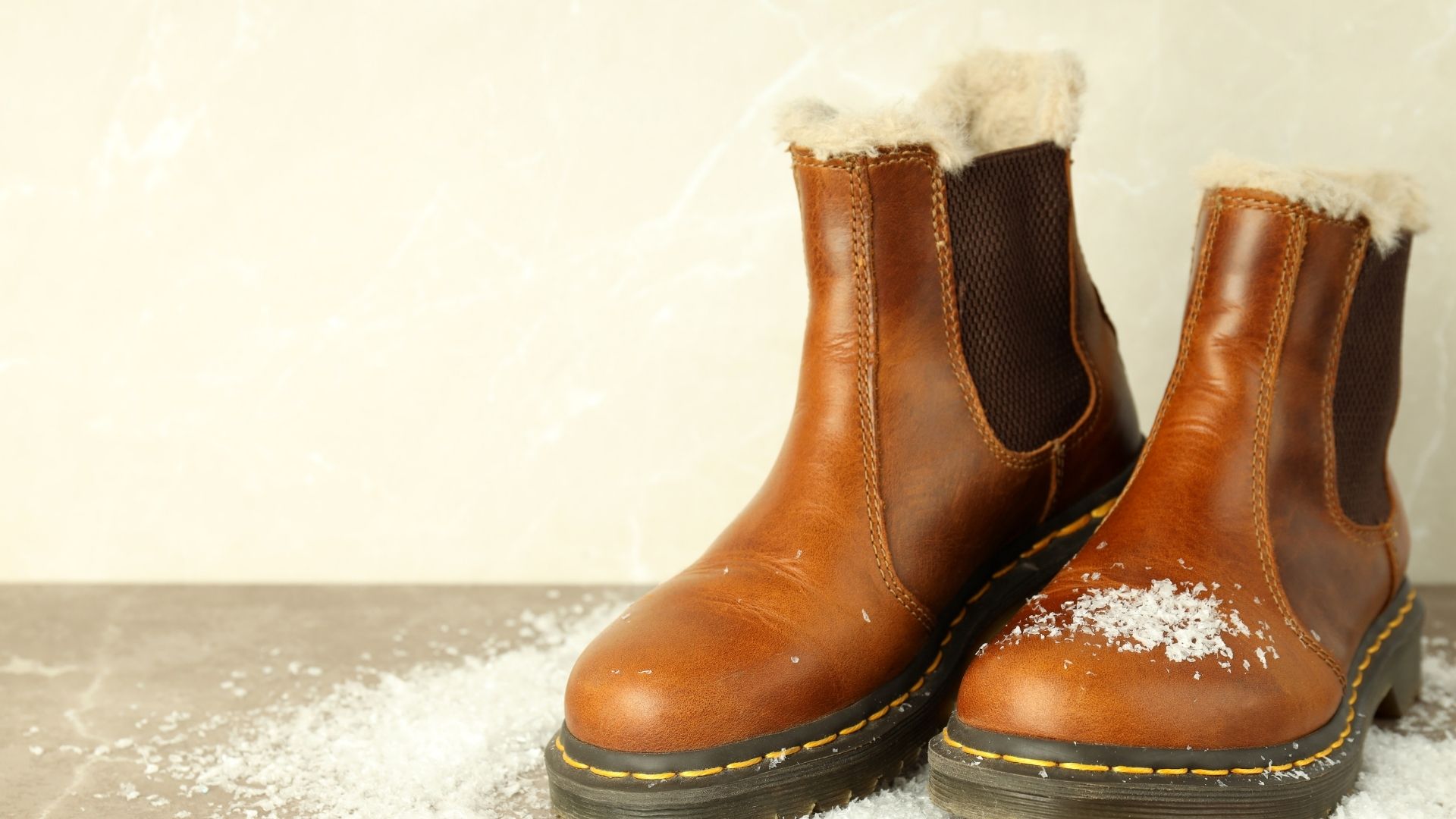
During winter, salt and ice melt products are essential for keeping walkways, parking lots, and entrances safe. However, what protects people outside can quietly cause serious damage inside your home or business. Floors and carpets are especially vulnerable to these chemicals, and the damage often begins long before it becomes visible. Understanding how salt and ice melt products interact with flooring materials helps explain why professional carpet cleaning and floor care are not optional during winter—they are necessary. What’s Really in Ice Melt Products Most ice melt products contain chemical compounds such as sodium chloride, calcium chloride, magnesium chloride, or potassium chloride. These substances are designed to lower the freezing point of water, allowing ice to melt at lower temperatures. While effective outdoors, these chemicals become aggressive contaminants once tracked indoors on shoes, boots, carts, and equipment. How Salt Chemically Attacks Carpet Fibers When salt enters carpet fibers, it doesn’t just sit on the surface. It dissolves in moisture from melting snow and humidity, penetrating deep into the carpet pile and backing. Here’s what happens: Salt crystals are abrasive and physically cut into carpet fibers Moisture activates the salt, allowing it to bind to fibers As carpets dry, salt recrystallizes, becoming even sharper Fibers weaken, fray, and lose their original texture Over time, this process leads to permanent discoloration, rough texture, and early carpet failure—especially in high-traffic areas. Vacuuming alone cannot remove salt embedded deep in carpet fibers. Professional extraction is required to fully eliminate the residue. Why Ice Melt Is Even Worse for Hard Floors Hard floors such as vinyl, tile, stone, and finished concrete are also vulnerable to winter chemicals. Salt and ice melt cause damage by: Breaking down protective floor finishes Creating chemical reactions that dull shine Leaving alkaline residue that attracts dirt Increasing surface abrasion from foot traffic On waxed or sealed floors, ice melt accelerates finish wear, forcing premature stripping and refinishing. On unprotected floors, the damage can become permanent. The Moisture Factor Makes Everything Worse Salt alone is damaging, but when combined with winter moisture, the effects multiply. Wet floors allow chemicals to spread more easily and remain active longer. This leads to: Faster deterioration of carpet backing Increased risk of mold and mildew Slippery, unsafe floor conditions Embedded residue that reactivates with humidity Waiting until spring to address this buildup often means the damage has already been done. Why DIY Cleaning Is Not Enough Many homeowners and businesses attempt to remove salt with water or household cleaners. Unfortunately, this often spreads the chemical residue deeper into carpets and floor seams. Professional cleaning uses: Proper pH-balanced solutions to neutralize salt High-powered extraction to remove moisture and residue Floor care methods designed to protect finishes, not strip them unintentionally Without professional equipment and knowledge, winter salt damage continues beneath the surface. Why Acting Now Saves Money Later Salt and ice melt damage is cumulative. The longer chemicals remain in carpets and floors, the more expensive the restoration becomes. Proactive professional cleaning helps: Extend the life of carpets and flooring Preserve appearance and safety Reduce long-term repair and replacement costs Maintain a clean, professional environment For businesses, it also protects your image and reduces liability from slippery or damaged floors. Protect Your Floors and Carpets This Winter At FRD Services LLC, we provide professional carpet cleaning and floor care services designed specifically to combat winter damage. Our team understands how Maryland winters affect flooring and uses proven methods to remove salt, moisture, and chemical residue safely and effectively. With more than 17 years of experience serving Columbia, Howard County, and the Baltimore area, we help homes and businesses protect their floors before damage becomes permanent. Winter chemicals won’t wait—and neither should you. Schedule your professional carpet cleaning or floor care service today and protect your investment before winter damage costs you more.
Read MoreJanuary 14, 2026
Cleaning Tips and Services
How Winter Damages Your Carpets and How to Protect Them Before It’s Too Late
Winter in Maryland brings cold temperatures, snow, ice, and constant moisture—conditions that take a serious toll on the carpets in your home or business. While winter is a beautiful season, it’s also the time of year when carpets suffer the most damage. Understanding how winter affects your carpets can help you take preventive action before the damage becomes permanent. Below, we explain the most common winter-related threats to carpet fibers and why professional carpet cleaning is essential to protect your floors during the cold months. Increased Moisture and Humidity Every time someone enters your home or office in winter, they track in moisture—from melting snow to wet shoes and clothing. This consistent exposure to moisture leads to: Fiber breakdown Faster wear in high-traffic areas Growth of mold, mildew, and bacteria inside the carpet backing Once moisture penetrates deep into the carpet, regular vacuuming is no longer effective. Only professional extraction can remove the dampness and contaminants that accumulate during winter. Salt and Ice Melt Chemicals Residents and business owners rely on salt and de-icing products to keep walkways safe in snowy conditions. However, these chemicals are extremely damaging to carpet fibers. When tracked indoors, salt leaves behind: White or gray residue that hardens the carpet Abrasive particles that scratch and weaken fibers Alkaline buildup that causes discoloration Without proper cleaning, these issues can become permanent, reducing the lifespan of your carpet by years. Mud and Soil from Heavy Foot Traffic Winter is the season with the highest indoor traffic. Families spend more time inside, and customers seek warmth indoors when visiting businesses. More foot traffic means: More dirt trapped inside the carpet Deeply embedded soil that vacuuming cannot reach Matted and crushed carpet fibers A dull, worn appearance Soil is the number-one cause of carpet fiber deterioration during winter, and the damage accelerates when it mixes with moisture and salt. Trapped Odors and Poor Indoor Air Quality Closed windows and heating systems contribute to stale air indoors. Carpets absorb: Moisture Pet odors Food smells Bacteria and allergens Over time, these elements create unpleasant odors and reduce indoor air quality. A professional carpet cleaning removes these contaminants, restoring freshness to your home or office. Why You Should Act Before Winter Damage Becomes Permanent Carpet fibers are not designed to handle months of moisture, salt, dirt, and chemical buildup. Once the damage is visible—discoloration, stains, odors, fraying fibers—restoring it becomes more difficult and sometimes impossible. Preventive and mid-winter professional cleaning helps: Extend the lifespan of your carpet Protect your investment Maintain a healthier indoor environment Preserve appearance and texture Prevent permanent staining and fiber breakdown If your home or business receives regular winter foot traffic, waiting until spring can make the problem much worse. Protect Your Carpets Now With Professional Winter Carpet Cleaning At FRD Services LLC, we provide high-quality, deep carpet cleaning designed to tackle winter damage before it becomes permanent. Our professional equipment removes: Salt and chemical residue Deep soil and mud Moisture trapped in the carpet backing Bacteria and winter odors With more than 17 years of experience serving Columbia, Howard County, and the Baltimore area, we know exactly how winter affects local carpets and what it takes to restore and protect them. Protect your carpets now rather than paying for expensive repairs or replacement later. Schedule your winter carpet cleaning today and keep your home or business fresh, clean, and protected through the cold months.
Read MoreDecember 12, 2025
Uncategorized
Why Your Floors Need Regular Stripping & Waxing
The floor of a home or business is one of the most used surfaces, yet one of the most overlooked when it comes to maintenance. Every day, it endures constant foot traffic, furniture movement, spills, dust, and other factors that slowly deteriorate its appearance and structure. If you notice your floor looks dull, scratched, or lifeless, it's probably time for a professional stripping & waxing service. At FRD Services LLC, we've seen how a lack of proper maintenance can drastically reduce the lifespan of flooring, especially vinyl, linoleum, or composite tile (VCT). Below, we explain why this process is essential and how it can help you preserve the aesthetic and functional value of your surfaces. Daily Wear and Tear is Inevitable Constant foot traffic leaves behind tiny particles of dust and debris that act as abrasives. Over time, these micro-damages remove the floor's natural shine and wear down its protective coating. A regular stripping and waxing service removes deteriorated layers of wax and applies a new protection that acts as a barrier against dirt, water, and scratches. Stripping removes invisible dirt buildup Although a floor may look clean to the naked eye, over time, cleaning product residue, grease, and micro-dust particles accumulate, altering its original color. Stripping removes these old and contaminated layers, leaving the surface ready for a new protective base. Waxing restores and protects After stripping, one or more layers of wax are applied, providing lasting shine and protection. This transparent film not only improves the floor's appearance but also prevents the penetration of liquids, stains, and bacteria. In addition, a properly waxed floor is easier to clean and maintain on a daily basis, saving you time and effort. Improve the image of your space Whether in a residential or commercial setting, a clean and shiny floor creates an immediate positive impression. In offices, shops, or medical centers, floor cleaning and maintenance reflect professionalism and attention to detail. In the home, it provides a warmer, tidier, and more pleasant environment. The right frequency makes a difference The recommended frequency of stripping and waxing depends on the type of surface and the level of traffic. In high-traffic commercial spaces, it may be required every 3 to 6 months. In homes or areas with less use, doing it once or twice a year is usually sufficient. The important thing is to maintain a preventative routine before wear becomes visible. Why trust professionals? The stripping and waxing process requires the right products, specialized machinery, and the experience to apply them correctly. An incorrect technique can damage the floor or leave residue that makes it slippery or uneven. At FRD Services LLC, we use commercial-grade products and proven techniques that ensure consistent and long-lasting results. Prevention is cheaper than repair Ignoring maintenance of your floors can lead to irreversible damage and costly replacements. Instead, a professional stripping and waxing routine prolongs their lifespan, maintains their shine, and protects your investment. If your floors have lost their shine or you notice dull areas, don't wait for the damage to become permanent. Contact FRD Services LLC today and schedule professional maintenance that will restore the long-lasting, pristine look your space deserves.
Read MoreOctober 31, 2025
Uncategorized
Practical Maintenance Guide: How Often Should You Clean Carpets, Floors, and Facades?
Keeping your surroundings clean and in good condition, whether it's your home, office, or commercial space, not only improves aesthetics but also extends the life of your surfaces. At FRD Services LLC, a family-owned business with over 17 years of experience in the Columbia, Maryland, area, we work with clients in Howard County and the Baltimore area to offer cleaning solutions tailored to every need and lifestyle. Below, you'll find a practical, evergreen guide to how often you should clean carpets, floors, and facades, and some helpful tips to keep everything in optimal condition between professional cleanings. Factors That Influence Cleaning Frequency Foot traffic and use: Homes with children, pets, or frequent visitors require more frequent cleanings. Materials and surface type: Each material requires specific care and durability. Environmental conditions: Humidity, dust, urban pollution, and climate influence dirt and wear. Presence of allergens or respiratory illnesses: Reinforce cleaning to reduce germs and dust. Maintenance level between professional cleanings: A good weekly routine makes it easier to maintain surfaces for longer. Carpets and rugs: How often should they be cleaned? Key factors: fiber type, traffic level, presence of stains, and pets. General recommendations: Homes with medium to high traffic (families, children, pets): Professional carpet cleaning every 6 to 12 months. Homes with few people or high-performance carpets: Every 12 to 18 months may be sufficient. Hot spots for stains or allergies: Professional cleaning every 4 to 6 months to minimize allergens. Parking mats or high-traffic areas: Consider cleaning every 6 months or before peak occupancy seasons. Practices between professional cleanings: Vacuum at least 2–3 times per week to prevent dust buildup. Immediately treat stains locally with products compatible with the fiber and avoid rubbing. Use floor mats in entryways to reduce dirt brought in from outside. Hard floors (wood, tile, porcelain, vinyl): How often? Floor types and typical frequency: Wood or laminate floors: Sweep or vacuum weekly, damp mop as needed. Professionally recommended refinishing (cleaning and waxing or sealing) every 1–3 years depending on wear and traffic, with light maintenance annually. Hard floors (ceramic, porcelain, stone): Vacuum or sweep weekly; deep mop every 1–3 months depending on use and stains. For high-traffic areas, consider deep cleaning every 6–12 months. Vinyl or linoleum floors: Light cleaning weekly and deep mopping every 6–12 months; avoid abrasive products that damage the top layer. Tips between professional cleanings: Use products compatible with the material and avoid moisture buildup. Protect furniture to reduce scratches. Clean spills immediately to prevent persistent stains. Practical Notes for FRD Services LLC Clients: At FRD, we offer floor striping and washing services and pressure washing to maintain interior and exterior floors in optimal condition, as well as stripping and waxing services to restore the finish of commercial and residential floors. Facades and Exteriors: How Often Should They Be Cleaned? Influencing Factors: Exposure to weather and pollution (rain, dust, soot, salt in coastal areas). Type of cladding (glass, stone, painted siding, wood, metal). Desired appearance and maintenance of business image. General Recommendations: Facades of residential or commercial buildings in urban areas: annual to semi-annual cleaning, adjusting for visible deterioration. Tarps, signs, and glass surfaces: cleaning every 3–6 months to maintain visibility and aesthetics. Construction events or recent work: schedule an external cleaning soon afterward to remove dust and debris. Practices for maintaining facades between professional cleanings: Inspect sealants and seals; Repair them to prevent leaks and damage. Keep gutters clean to prevent water accumulation that wears down paint. Avoid abrasive or acidic products on sensitive surfaces. Exterior FRD Services: We offer high-pressure pressure washing services for facades, driveways, patios, and exterior surfaces, along with targeted surface cleaning to preserve and enhance the appearance of your property in Columbia, MD. Practical Schedules by Client Type Medium-traffic homes: carpets every 6–12 months; hard floors every 12–24 months depending on the material; exterior walls, as needed, 1–3 years. High-traffic or allergen-infected homes: carpets every 4–6 months; hard floors with annual inspection and deep cleaning every 6–12 months; exterior walls every 1–2 years, or sooner if there is significant buildup. Small offices or commercial spaces: carpets every 6–12 months; hard floors every 12–24 months; exterior walls and exteriors every 1–2 years, or as per a preventive maintenance contract. High-exposure locations (humid climates, rural areas near the coast, or polluted areas): consider more consistent cleaning frequencies and semiannual inspections. How to Choose the Best Cleaning Partner Local Experience: A company with a presence and references in Columbia, MD, and Howard County gives you confidence and knowledge of local regulations and conditions. Comprehensive Services: FRD Services LLC's ability to cover residential, commercial, carpet, office, post-construction, and floor and facade maintenance offers convenience and consistency. Focus on Care and Results: Look for providers who prioritize the protection of your surfaces, the use of appropriate products, and safe practices for your family or team. Scheduling Flexibility: Schedules and frequency adaptable to your needs. Transparency and Budgeting: Clear estimates, no hidden costs, and maintenance plans that fit your budget. Practical Tips for Maintaining Maintenance Between Visits Establish a regular cleaning plan and adjust it according to changes in traffic, seasons, and usage. Use doormats and cleaning cloths to reduce dirt brought in from outside. Schedule reminders for seasonal inspections of surfaces and sealants. Maintain a basic inventory of products compatible with your materials to address specific stains. The key to keeping carpets, floors, and exteriors in optimal condition is a realistic maintenance plan, appropriate for use and the environment, combined with regular professional cleaning and daily care practices. At FRD Services LLC, we are committed to being your trusted partner for preventative maintenance and specialized cleaning in Columbia, MD, and Howard County. We offer residential and commercial services, carpet cleaning, office cleaning, post-construction cleaning, floor and exterior cleaning, and pressure washing to help you maintain a clean, healthy, and well-maintained environment. Want a personalized cleaning frequency assessment for your home or business in Columbia or Howard County? Contact us for a free consultation and quote. FRD Services LLC, your reference in maintenance and cleaning frequency.
Read MoreOctober 3, 2025
Cleaning Tips and Services
The Invisible Germ Map in Your Home and Office
When we think of a clean space, we imagine shiny floors, dust-free tables, and a pleasant scent in the air. However, what most people don't see—and often goes unnoticed—is the invisible germ map that silently spreads throughout every corner of your home and office. At FRD Services LLC, after more than 17 years of cleaning homes, offices, and commercial spaces in Maryland, we've learned that germs don't always hide in the most obvious places. In fact, they often colonize everyday objects that we use daily and rarely receive a deep cleaning. Join us on this narrative tour to discover the most overlooked "hot spots." Your Computer Keyboard: A Microscopic Neighborhood The keyboard is like a small town where germs thrive. Each key accumulates food residue, sweat, and dead skin cells. In fact, some studies suggest that a keyboard can harbor more bacteria than a public toilet seat. Fun fact: In high-traffic offices, we find that the "Enter" key and the space bar are often the most contaminated because they receive the most contact. Door handles: Microbe highways Door handles and knobs are the great forgotten. Everyone touches them, yet almost no one cleans them daily. In a home with children or a busy office, every hand that touches them is like an "entry ticket" for new bacteria. Expert tip: Metal handles are not "immune." Although some metals like copper have antimicrobial properties, in practice they are still critical surfaces. Remote controls: King of the living room The TV remote control is a true microbiological battlefield. It passes from hand to hand while we eat, rest, or watch a movie, and is rarely disinfected. What we've seen in real-life cleanings: the volume and power buttons accumulate more dirt than the others because they're the most used. Light switches: the invisible guardians of everyday life Everyone turns them on, but few clean them. Light switches often accumulate an almost imperceptible sticky layer, which acts as an "adhesive" for bacteria and viruses. In high-traffic offices, the switches near the entrance are the most contaminated. Carpets and floors: the floor isn't always safe Although it's not visible to the naked eye, carpets are veritable sponges for bacteria and mites. Food scraps, fine dust, pollen, and even particles we track in on our shoes from the street accumulate there. What we've detected with deep cleanings: even after vacuuming, carpet fibers can retain microorganisms that only professional cleaning can eliminate. The Desk: Beyond the Surface It's not enough to simply clean the surface. Desk edges, corners, and the underside of tables accumulate dirt because these are areas that rarely receive attention. In offices, we've even found hardened food scraps under desks. A Map That Needs Attention The invisible germ map isn't designed to scare you, but to remind you that true cleanliness is in the details. A space may look spotless, but the health and well-being of your family or employees depends on going beyond the surface. At FRD Services LLC, our mission is just that: not only to clean what you see, but also what you don't see. Because true peace of mind is found in a home and office free of that invisible germ map.
Read MoreAugust 29, 2025
Uncategorized
How to Keep Wood and Tile Floors Looking New with Regular Cleaning
Floors are one of the most visible and used surfaces in homes and offices, and proper care can make the difference between a worn-out look and a like-new one. At FRD Services LLC, with over 17 years of experience providing cleaning services in Columbia, Maryland, we know that proper maintenance not only prolongs the life of your floors but also maintains their beauty and functionality. In this article, we share exclusive, expert tips for keeping your wood and tile floors in excellent condition through regular and proper cleaning. Know Your Floor Type to Apply the Proper Care Before beginning any cleaning routine, it's essential to identify the type of floor you have. Wood and tile floors require specific techniques and products to prevent damage and maintain their original appearance. Wood Floors Hardwood: such as oak, maple, or walnut. Laminate: which mimics natural wood but has a thinner top layer. Tiles Ceramic or porcelain: durable and varied in design. Natural stone: such as marble, granite, or slate. Specific tips for wood floors Regular cleaning without damaging the surface Daily sweeping: Use a soft-bristle broom or a vacuum cleaner with a wood-floor attachment to remove dust and particles that could scratch the surface. Gentle mopping: Use a damp (not soaked) cloth with a specific detergent for wood floors or a mixture of warm water and a few drops of white vinegar. Avoid abrasive or wax-based products that can build up. Deep care and maintenance Avoid excess water: Excessive moisture can warp or damage the wood. When cleaning with a mop, be sure to wring the cloth well. Protect against scratches: Place doormats at entrances and use protectors on furniture legs to prevent marks. Periodic Inspection: Inspect for cracks or wear, and have a professional seal or varnish performed every 2-3 years to restore the protective layer. Specific Tips for Tiles and Natural Stone Daily Cleaning and Maintenance Frequent Mopping: Vacuum or sweep to remove abrasive particles. Then, clean with a damp mop and mild detergent. Product Care: Avoid acidic or abrasive products that can damage the surface, especially on natural stone such as marble or slate. Prevention and Care Sealing: Natural stone tiles must be properly sealed to prevent staining. Apply a quality sealer every 1-2 years. Grout Cleaning: Use a soft brush and a specific cleaner to keep the grout free of dirt and prevent deterioration. Additional Tips for Both Floor Types Regular Cleaning: Establish a weekly cleaning routine to keep the surface free of dust and dirt. Avoid Corrosive Products: Always opt for products specifically designed for your floor type. Protect your floor from direct sunlight: prolonged exposure can discolor or deteriorate the finishes. Get regular professional cleaning: At FRD Services LLC, we offer specialized wood and tile floor cleaning services that guarantee long-lasting, damage-free results. Our team can advise you on the best maintenance for your floor type. When to call a professional? If you notice stubborn stains, cracks, or significant wear on your wood or tile floors, it's advisable to consult cleaning and restoration experts. Professional maintenance can restore their original shine and extend their lifespan. At FRD Services LLC, we are committed to helping you keep your floors looking like new with proper techniques and specialized products. Regular cleaning and specific care for each floor type are key to maintaining their beauty and functionality for many years.
Read MoreAugust 4, 2025
Uncategorized
How Pressure Washing Can Revitalize Your Property’s Facade and Patios: Tips for Keeping Your Exterior Looking New
The facade and patios of your property are the defining characteristics of your home or business. Over time, these spaces are exposed to the accumulation of dirt, mold, stains, and other elements that can make them look worn and unattractive. Fortunately, at FRD Services LLC, cleaning and maintenance specialists in Columbia, Maryland, we offer pressure washing services that can restore them to their original appearance and extend their lifespan. What is pressure washing and how does it work? Pressure washing is a technique that uses high-velocity water to remove dirt, grease, mold, algae, and other substances that accumulate on exterior surfaces. It is an efficient and environmentally friendly way to clean without the need for harsh chemicals. Benefits of Pressure Washing for Your Property Revitalizes the appearance: A clean facade and patios free of stains and dirt improve the aesthetics of your property, giving it a more well-maintained and attractive appearance. Extend the life of surfaces: The buildup of mold and dirt can deteriorate materials such as stone, brick, or concrete. Pressure washing helps prevent damage and premature wear. Improve hygiene: Removing mold, lichen, and other contaminants reduces the risk of health problems for residents and visitors. Increase the value of your property: A well-maintained exterior always represents an investment that can translate into a higher market value. Tips for keeping exteriors looking like new Perform regular cleaning: Scheduling pressure washing every 1 or 2 years helps keep the facade and patios in excellent condition. Inspect and repair early: Regularly checking and repairing small cracks or damage prevents them from becoming major problems. Keep gutters clean: The accumulation of leaves and dirt can cause leaks and stains on walls. Control plants and trees: Prevent roots or branches in contact with the structure from causing damage or accumulating moisture. Protect delicate surfaces: For more sensitive surfaces, such as wood or certain types of stone, it's advisable to adjust the pressure and use specific techniques to avoid damaging them. Why choose FRD Services LLC? With over 17 years in business, at FRD Services LLC we are experts in exterior cleaning and maintenance services. Our team uses advanced pressure washing technology to clean and revitalize facades, patios, driveways, and more, ensuring high-quality results. As a family-owned business dedicated to providing friendly and reliable service, we are committed to leaving your property looking like new. Contact Us Ready to transform and maintain your property in top condition? At FRD Services LLC, we are here to help. Call us today and discover how our pressure washing service can make a difference.
Read MoreJune 3, 2025
Search
March 29, 2026
How Carpet Cleaning Improves Indoor Air
February 02, 2026
Why Construction Dust Is Dangerous Long
January 14, 2026
How Salt and Ice Melt Chemicals
Categories
Tag Cloud
air purification
allergy relief
Carpet Cleaning
carpets
ceramic maintenance
clean carpets
cleaning
cleaning guide
cleaning tips
Columbia
commercial flooring
construction dust
deep carpet cleaning
desk cleaning
Exterior Maintenance
facades
Floor care
floor maintenance
floors
floors like new
FRD Services
FRD Services LLC
health risks
healthy home
home improvement
home maintenance
home safety
ice melt effects
indoor air quality
invisible bacteria
maintenance
Maryland
Maryland carpets
office health
post-construction cleaning
Pressure Washing
prevent carpet damage
prevent damage
professional cleaning
Property Revitalization
Stain Prevention
stripping and waxing
winter carpet care
winter cleaning
wood cleaning
Let's Connect