
After a renovation or construction project, most people focus on what they can see: new floors, fresh paint, finished details. Once the contractors leave, it may look clean enough. But what many property owners don’t realize is that the most dangerous part of construction debris is often invisible.
Construction dust doesn’t disappear when the job is done. In fact, without professional post-construction cleaning, it can remain in your space for weeks or even months, putting health, safety, and even your new finishes at risk.
The Hidden Threat: Fine Dust You Can’t See
Construction dust is not the same as everyday household dust. It contains fine particles that are small enough to stay airborne for long periods and settle deep into carpets, HVAC systems, furniture, and hard-to-reach surfaces.
Two of the most common and concerning types include:
Silica Dust
Crystalline silica is released when materials like concrete, mortar, tile, stone, or drywall are cut, drilled, or sanded. According to OSHA and the CDC, inhaling fine silica particles can damage the lungs and is linked to serious respiratory conditions over time.
What makes silica especially dangerous is that the particles are microscopic. You may not see them, but they can be inhaled deeply into the lungs with normal breathing.
Drywall Dust
Drywall dust is created during sanding and finishing. It is extremely fine and easily spreads throughout a building. This dust can irritate the eyes, throat, and lungs and is known to aggravate asthma and allergies, especially in children, elderly occupants, and people with respiratory conditions.
Why Regular Cleaning Is Not Enough
Vacuuming or wiping surfaces with standard household equipment does not remove construction dust effectively. In many cases, it can make the problem worse by redistributing particles into the air.
Common issues with DIY or basic cleaning include:
- Standard vacuums are not designed to capture ultra-fine particles
- Dust settles back onto surfaces shortly after cleaning
- HVAC systems continue circulating trapped dust throughout the space
- Residue remains embedded in carpets, grout, and textured surfaces
Without proper tools, techniques, and filtration systems, dangerous dust simply gets moved around instead of removed.
Health and Safety Risks for Occupied Spaces
Leaving construction dust behind can have real consequences, especially in homes, offices, medical facilities, and commercial buildings that are quickly reoccupied.
Potential risks include:
- Persistent coughing, sneezing, and throat irritation
- Worsening asthma or allergy symptoms
- Reduced indoor air quality
- Long-term respiratory exposure for occupants and employees
- Slip hazards from fine dust on hard floors
In commercial settings, poor post-construction cleaning can also impact employee productivity, tenant satisfaction, and even liability.
How Professional Post-Construction Cleaning Solves the Problem
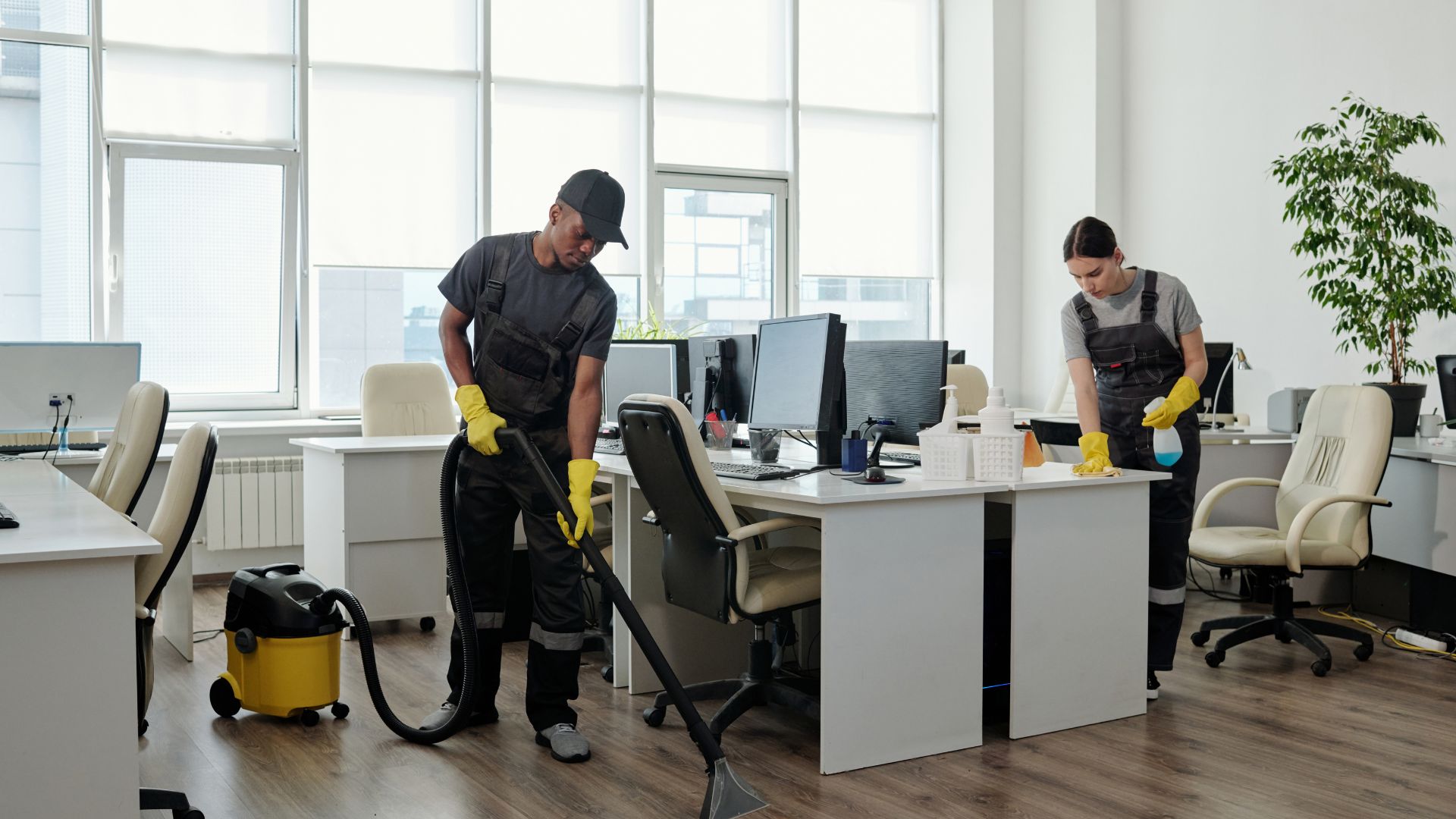
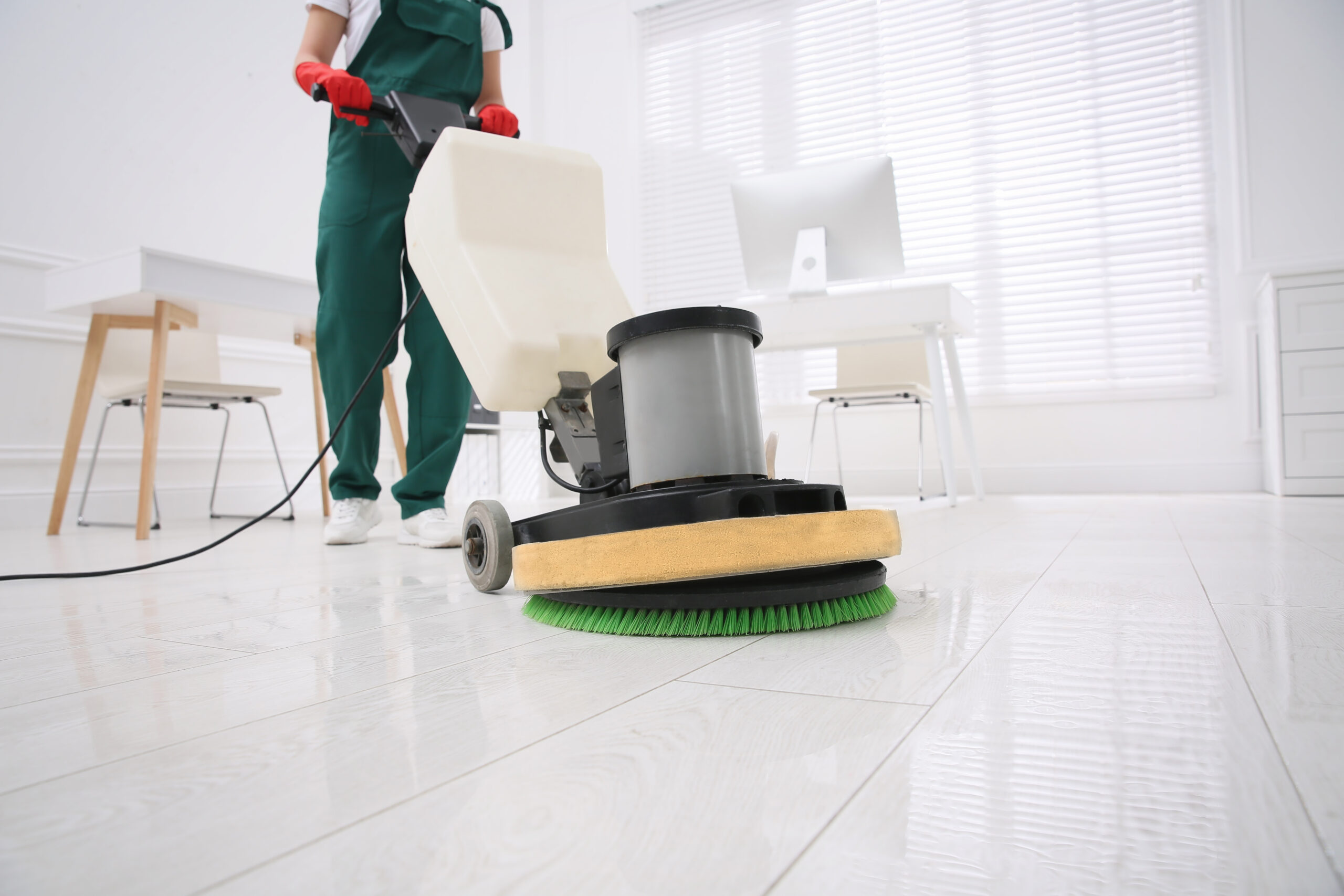
Professional post-construction cleaning is designed specifically to address these risks. It goes far beyond surface-level cleaning and focuses on removing fine dust safely and thoroughly.
A professional service typically includes:
- HEPA-filtered vacuum systems that trap microscopic particles
- Detailed cleaning of floors, carpets, baseboards, vents, and fixtures
- Removal of dust from walls, ceilings, light fixtures, and high surfaces
- Careful handling of newly installed materials to avoid damage
- Final detailing to ensure the space is truly move-in ready
This process protects both the health of occupants and the investment made in the construction or renovation itself.
Why Timing Matters
The longer construction dust sits, the deeper it embeds into surfaces and the more it spreads through air systems. Delaying professional cleaning can lead to higher costs later, more difficult removal, and prolonged exposure to harmful particles.
Scheduling post-construction cleaning immediately after the job is completed is the most effective way to:
- Protect indoor air quality
- Prevent dust from spreading
- Ensure a safe, healthy environment from day one
Construction may be finished, but the job is not truly complete until the dust is properly removed. Invisible particles like silica and drywall dust pose real health and safety risks that should not be ignored.
Professional post-construction cleaning is not an optional extra. It is a critical step in protecting people, preserving your space, and ensuring the project ends the right way.
If your property has recently undergone construction or renovation, now is the time to act. A professional post-construction cleaning service can make the difference between a space that looks clean and one that is truly safe to use.