
When most people think about cleaning, they focus on what they can see—vacuuming the floors, wiping countertops, or emptying the trash. While these tasks are important, they often create a false sense of cleanliness.
The truth is that many of the germiest areas in homes and offices aren’t the ones that look dirty. According to the Centers for Disease Control and Prevention (CDC), germs can spread through frequently touched surfaces and contaminated hands, making high-touch areas one of the biggest contributors to cross-contamination indoors.
If these overlooked surfaces aren’t cleaned and disinfected regularly, bacteria and viruses can spread throughout your space, affecting your family’s health, your employees, and anyone who visits your property.
What Are High-Touch Surfaces?
High-touch surfaces are objects and areas that multiple people touch repeatedly throughout the day.
Because they are used so frequently, they can become collection points for microorganisms that are transferred from hands to surfaces and back again.
Some of the most commonly overlooked high-touch areas include:
- Door handles and knobs
- Light switches
- Cabinet and drawer handles
- Refrigerator handles
- Microwave buttons
- Faucet handles
- Toilet flush handles
- Remote controls
- Computer keyboards
- Computer mice
- Desk surfaces
- Elevator buttons
- Shared office equipment
- Breakroom appliances
- Handrails
Many of these surfaces are touched dozens—or even hundreds—of times every day but are often forgotten during routine cleaning.
Why They Collect So Many Germs
Every time someone touches a surface, microorganisms from their hands may be transferred.
According to the CDC, contaminated hands are one of the primary ways germs spread between people and frequently touched objects.
This process, known as cross-contamination, happens continuously in both residential and commercial environments.
For example:
- Someone opens the front door.
- They touch the kitchen faucet.
- Then they open the refrigerator.
- Later, another family member touches those same surfaces.
The same pattern occurs in offices, where multiple employees share workstations, printers, breakrooms, conference rooms, and restrooms throughout the day.
Without regular cleaning and proper disinfection, germs continue moving from one surface to another.
A Space Can Look Clean and Still Contain Germs
One of the biggest misconceptions about cleaning is believing that appearance equals cleanliness.
A shiny countertop or freshly vacuumed carpet doesn’t necessarily mean high-touch surfaces have been properly cleaned.
Many germs are invisible to the naked eye.
This is why focusing only on visible dirt leaves behind areas that may continue contributing to the spread of illness.
Professional cleaning goes beyond what is immediately visible.
The Difference Between Cleaning and Disinfecting
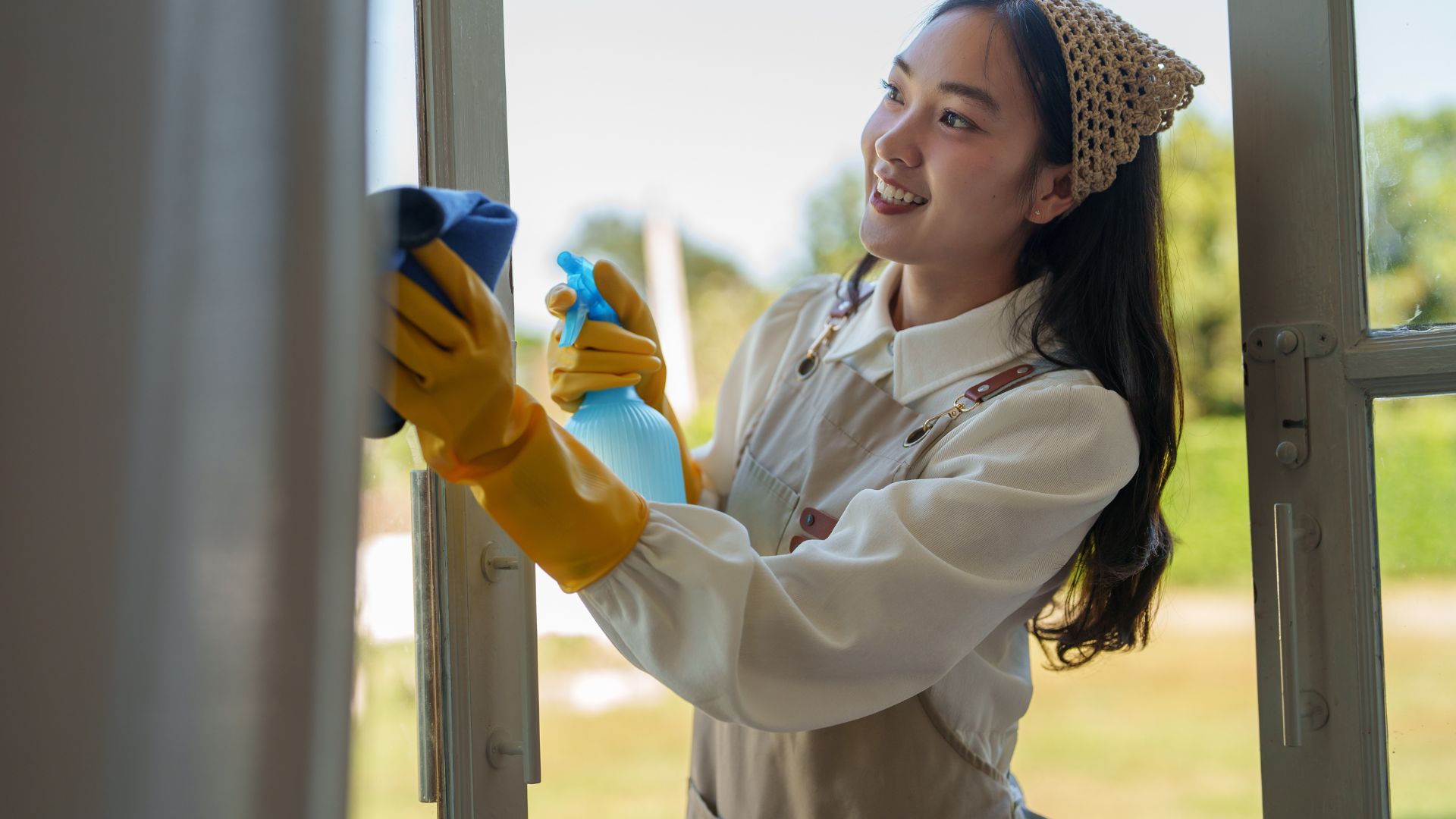
Cleaning removes dirt, dust, and many contaminants from surfaces.
Disinfecting uses products designed to reduce germs on surfaces after they have been cleaned.
The CDC recommends cleaning visibly dirty surfaces before applying disinfectants, since dirt and debris can reduce their effectiveness.
A thorough cleaning routine includes both steps when appropriate, especially in high-traffic environments.
Why Homes Need Detailed Cleaning Too
Many homeowners believe that germs are primarily a concern in hospitals or commercial buildings.
In reality, households experience constant contact between family members, guests, pets, deliveries, and personal belongings.
Daily routines mean that frequently touched surfaces can quickly become overlooked sources of contamination.
Professional residential cleaning helps ensure these details receive consistent attention—not just the obvious areas.
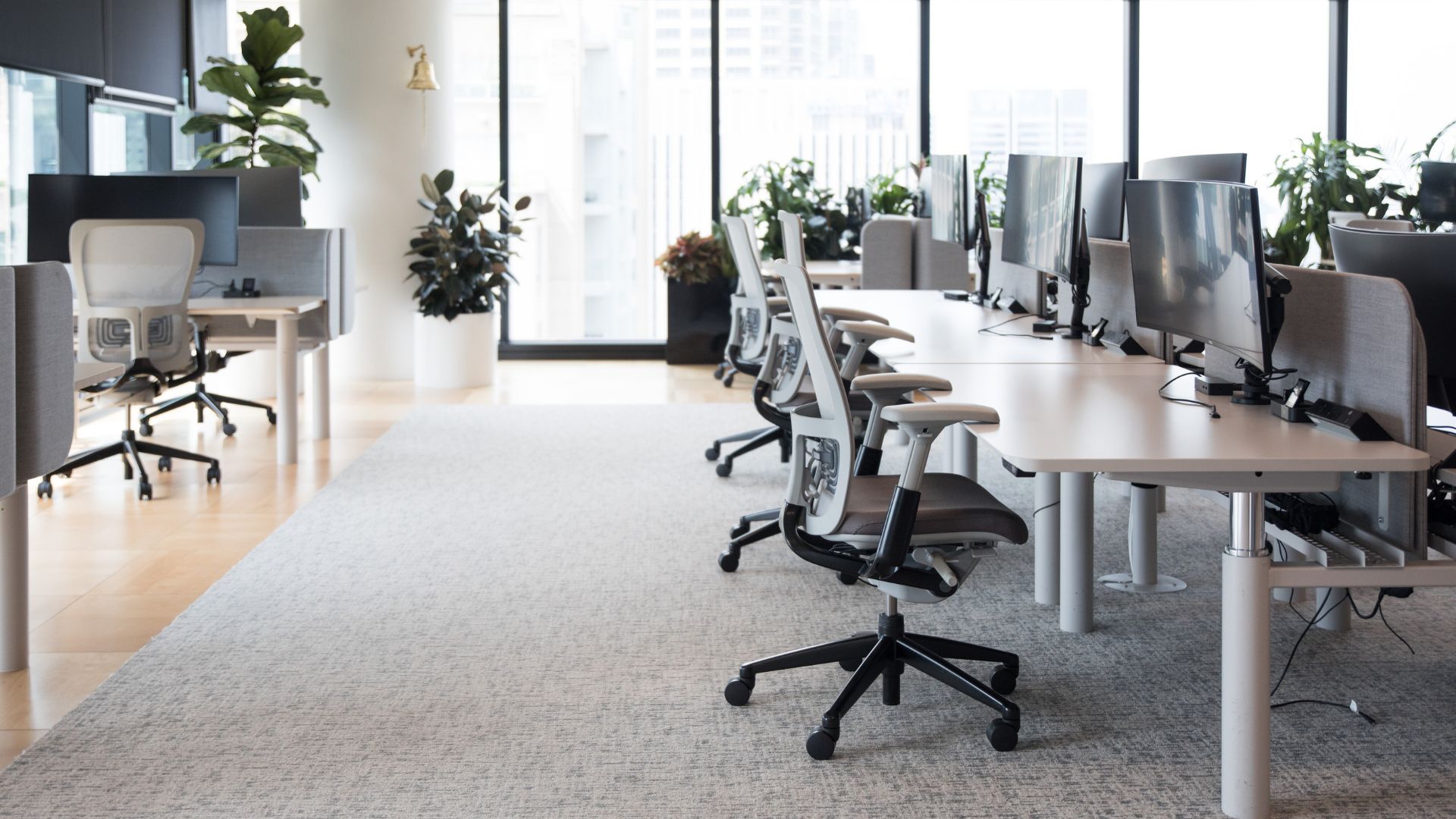
Offices Face Even Greater Risks
Commercial spaces experience significantly more shared contact every day.
Employees, clients, vendors, and visitors interact with the same doors, desks, restrooms, conference rooms, and common areas.
Without routine professional cleaning, these shared spaces can accumulate dirt and contaminants much faster than expected.
A clean office doesn’t just improve appearance—it helps create a healthier and more welcoming environment for everyone who walks through the door.
Why Professional Cleaning Makes the Difference
Most people clean based on what they notice.
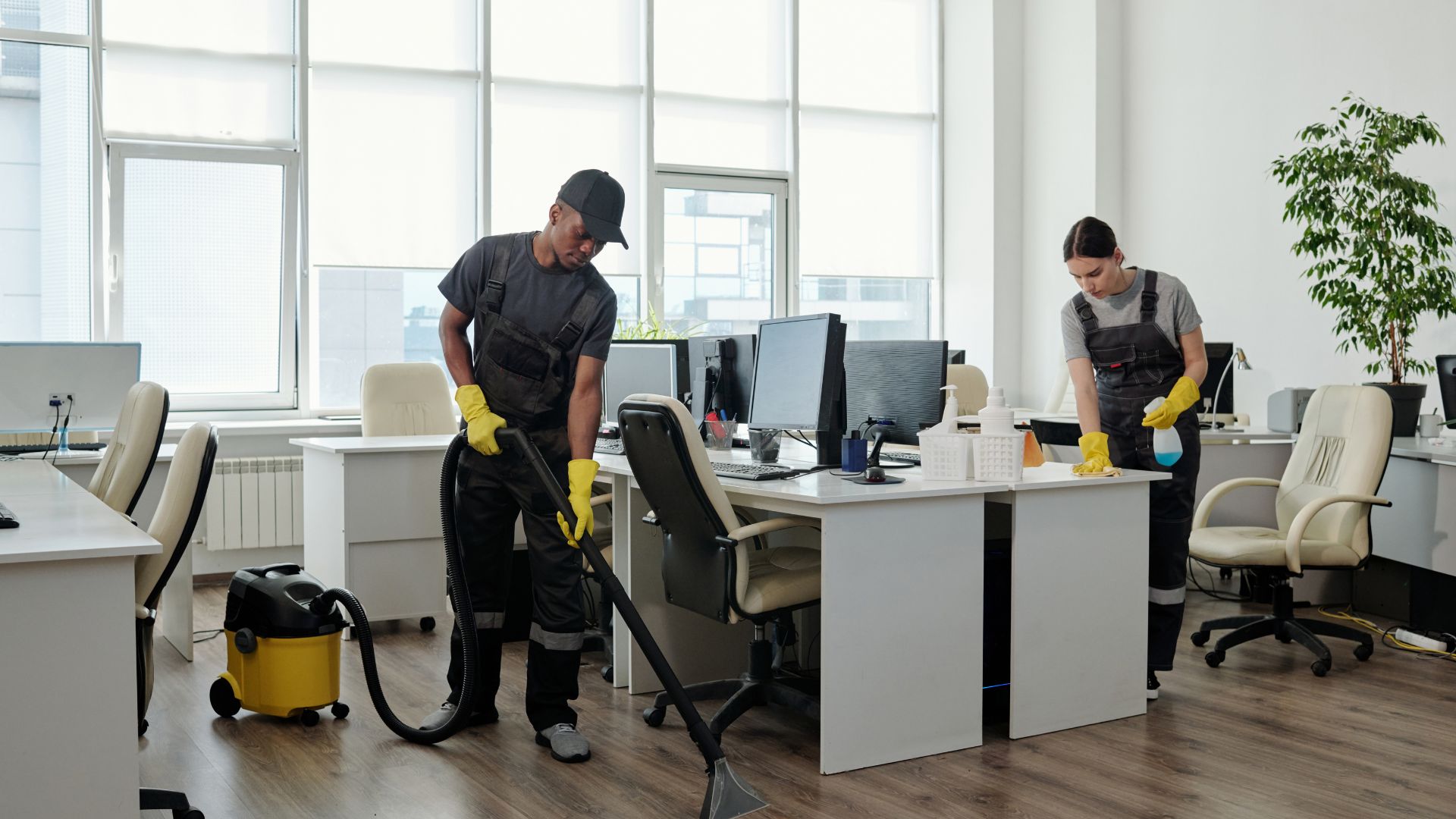
Professional cleaners work from a systematic process that includes the areas most people forget.
At FRD Services LLC, we focus on the details that often go unnoticed, helping reduce the buildup of dirt and contaminants throughout your home or workplace.
Our residential and commercial cleaning services include careful attention to high-touch areas, helping create cleaner, healthier environments while giving you more time to focus on what matters most.
Don’t Let Hidden Germs Become a Bigger Problem
Just because a room looks clean doesn’t mean every important surface has been properly maintained.
The areas people touch the most are often the ones that receive the least attention, allowing germs to spread quietly throughout your home or business.
Regular professional cleaning helps reduce this risk while maintaining the clean, welcoming environment your family, employees, and visitors deserve.
If you want more than surface-level cleaning, FRD Services LLC is ready to help.
Contact us today for a free estimate and discover the difference a detailed professional cleaning service can make.